
If 2025 was the year Audemars Piguet leaned heavily on anniversary nostalgia, 2026 already feels like the year they’re reminding everyone that they can still do just about everything else.
Because while most brands would happily ride the Royal Oak train into the sunset, AP have dropped a small flurry of releases that range from genuinely interesting to quietly inevitable. Jumping hours. Mini Royal Oaks. A refreshed chronograph. More openworked everything. It’s the sort of scattergun drop that says less about one big hero piece and more about maintaining a constant presence in the conversation.
Which, depending on how cynical you are feeling, is either good brand stewardship or simply the monthly scheduled AP reminder that they still exist.
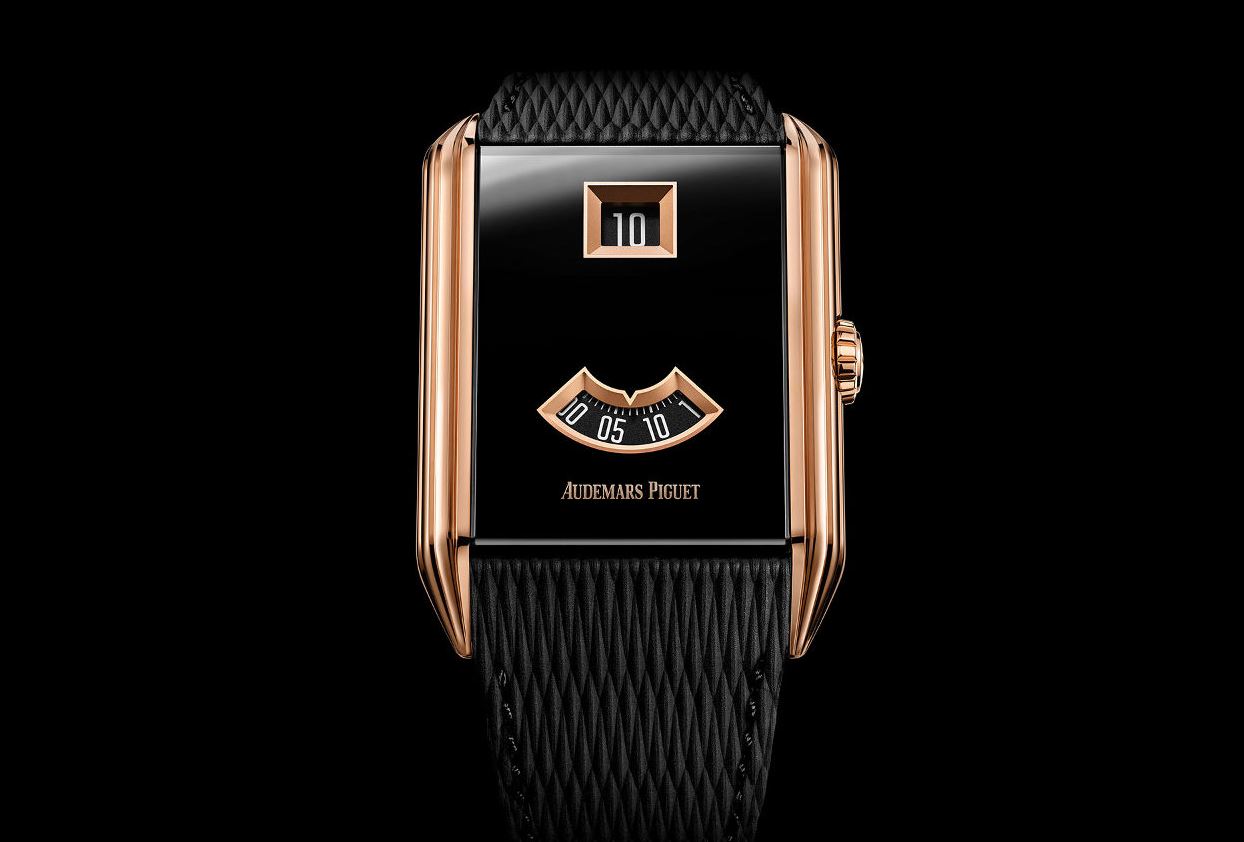
Let’s start with the most interesting thing here. The Neo-Frame jumping hour.
This is not a Royal Oak. Which already makes it notable.
The Neo-Frame feels like AP flexing the side of its design muscle that doesn’t get used nearly enough. A modernist, slightly architectural thing with a jumping hour display that feels closer to independent watchmaking than the usual Le Brassus output. The case has this almost suspended dial construction, giving the whole watch a slightly conceptual feel, like a render that somehow made it into production.
Jumping hour watches are inherently romantic complications. They’re impractical, a bit strange, and exist largely because someone thought they’d be cool. And that’s exactly why this works. There’s something refreshing about seeing AP step away from the safe revenue stream of endless Royal Oak variants and instead produce something that feels like a design exercise.
It won’t be a huge seller. It’s not meant to be. But it reminds you that AP still has creative depth beyond tapisserie dials and integrated bracelets.

Then we get back to reality. And reality, for AP, is the Royal Oak.
The mini Royal Oak collection has expanded again, now with stone dial quartz pieces. On paper, these are probably very clever. Smaller watches are selling. Jewellery-adjacent watches are selling. Stone dials always photograph brilliantly and add that sense of natural uniqueness luxury buyers love. And quartz, in this segment, makes a strange amount of sense. Thin, reliable, low maintenance.
But it does also feel like the sort of watch that exists primarily to keep boutiques busy. The kind of piece you buy to mark something. A promotion. A milestone. Ten years somewhere. Twenty if you’re lucky.
They’re not enthusiast bait. They’re luxury objects in the purest sense. Beautiful, expensive, and slightly detached from the sort of watch nerdery that gets people like us excited. And that’s fine. Not everything has to be for us.

The 38mm Royal Oak Chronograph update sits somewhere in the middle. This one matters more than it first appears to.
The shift to an in-house calibre here is the real headline. It’s AP doing the quiet housekeeping that keeps the Royal Oak credible as a serious watch and not just a design icon. Sapphire casebacks, proper manufacture movements, incremental but meaningful improvement. This is the sort of evolution that keeps the Royal Oak from drifting into pure fashion territory.
Because for all the noise around hype and secondary prices, AP still need the Royal Oak to stand up technically. And giving the 38mm chrono a proper in-house engine does exactly that. It’s not flashy, but it’s necessary.

Then there’s the openworked Royal Oak. Which at this point feels almost like a standing appointment in the AP calendar.
Another year, another skeletonised flex. And to be fair, few do openworking like Audemars Piguet. The architectural quality of their skeleton movements suits the Royal Oak perfectly. All sharp lines and exposed geometry. If you’re going to skeletonise something, it may as well be this.
But it also reinforces the broader feeling around these releases. AP are in a phase of constant presence rather than singular statement. Instead of one defining launch, we’re getting a steady rhythm of technically impressive, aesthetically polished, but ultimately expected releases.

The Neo-Frame jumping hour is the outlier. The piece that suggests there’s still a slightly weird, experimental AP lurking beneath the surface. Everything else feels like careful portfolio management. Expanding the mini line to capture jewellery buyers. Updating core Royal Oak models to keep enthusiasts satisfied. Dropping openworked pieces to maintain that high-horology credibility.
None of this is accidental. And none of it is particularly risky.
Which leaves us in an interesting place. Because while none of these watches individually feel like a seismic moment, collectively they show a brand that is very deliberately maintaining momentum. Always visible. Always releasing something. Always reminding you that if you’re operating at the very top of modern luxury watchmaking, silence is the one thing you can’t afford.
Whether that constant output leads to genuine innovation or just a very polished version of business as usual is something we’ll probably only be able to judge at the end of the year.
But for now, the takeaway is simple. AP are still experimenting. Still iterating. Still feeding the Royal Oak machine. And still, every now and then, reminding us they can do something genuinely interesting when they feel like it.

Leave a Reply