
From the outside, microbrands can seem like an easy win. Brands such as Christopher Ward, Baltic, and Studio Underdog show how quickly a small watch company can grow if social media takes off and the watch press buys into the story. From the sidelines, it almost looks like a formula.
In reality, it rarely works that way.
Over the past few months, I have spoken with microbrand founders and people across the watch community to understand why microbrands exist, what they are trying to achieve, and where things often go wrong. Not because the watches are bad. In many cases, they are excellent. The problem is that the watch business is far tougher than it appears from the outside.
What We Mean by a Microbrand
The watch world has always had small, low-volume manufacturers, but microbrands are not the same thing as independent watchmakers. Someone like Roger Smith or MB&F produces very few watches because the process itself limits output, and that scarcity allows them to charge a significant premium.
Microbrands work very differently. Most are run by one or two people. They sell directly to customers, rely on established off-the-shelf movements, and operate with limited cash, limited time, and very little leverage over their suppliers. Production runs are small. Sometimes that means 50 or 100 watches. Other times it means however many orders a Kickstarter campaign can generate.
It is also important to be clear about what we are talking about. This is not about brands that have already “made it.” Christopher Ward, Bremont, and Baltic all began as microbrands, but they have moved beyond that stage. Here, the focus is on brands still trying to turn a passion project into a functioning business.
Why People Start Microbrands in the First Place
One thing becomes obvious very quickly when speaking to founders. Almost none of them start a microbrand simply to make money. Profit matters, but there is usually something else driving them.
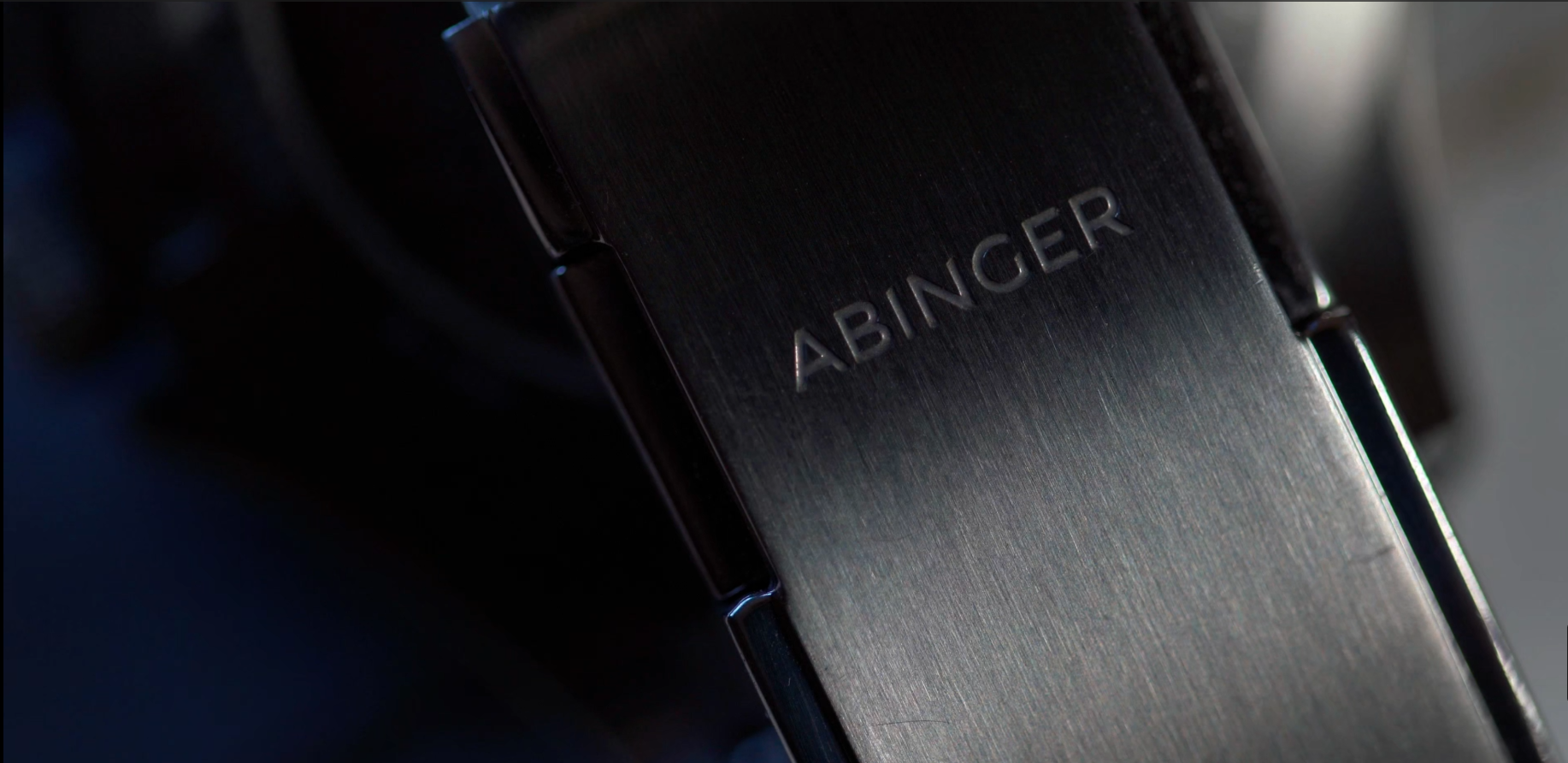
For Abingdon, a UK-based microbrand producing a modern travel watch called the Nimrod, watches are about legacy. The brand is named after the founder’s late father-in-law, who introduced him to watches and shared a love of travel. Building the brand is a way to honour that influence and, hopefully, create something that lasts beyond his own lifetime.
Dash comes from a very different background. Its founder had already built and sold a multi-million-pound consumer brand and did not need to work again financially. For him, watches became a platform to showcase sustainable materials and what he describes as conscious capitalism. The watch itself matters, but it is also a vehicle for something bigger.
Then there is Stopwatch, founded by Steven Cox. The brand uses metal recovered from First World War aircraft, complete with documented provenance. It is deliberately niche, premium, and limited. Scaling quickly was never the goal and never really could be, because there is only so much century-old aircraft metal left in existence.
Other brands, such as Tremont and McQuade, are driven more by curiosity and design than by background or pedigree. Tremont openly acknowledges its inspiration from classic shapes, aiming to bring strong design to people who do not want to spend luxury-brand money. McQuade focuses on Damascus steel watches and represents something very common in the microbrand space: learning as you go.
The Things You Only Learn by Doing
Time is one of the biggest challenges for microbrand founders, especially for those juggling full-time jobs alongside their watch projects. Experience, however, can be just as important.
Small decisions that seem insignificant at first can become permanent problems once production begins. A lug width choice, for example, might not feel important until customers realise how difficult it is to find straps that fit. These are the details most people never see from the outside, but they are quick to notice once the watches are released.
These mistakes are not cynical. They are human. Most microbrands start as passion projects. But passion on its own does not keep a business alive.
How Microbrands Are Viewed by Enthusiasts
Ask watch enthusiasts what they think of microbrands and the positives come quickly. They are often seen as better value, more creative, and more personal than larger brands. Microbrands can experiment with colours, materials, and designs that established companies often avoid because the risk is too high.
The concerns, however, are just as consistent.
Pre-orders are a major sticking point. Long-term servicing is another. Resale value comes up frequently, as does the inability to try a watch on before buying it. Many collectors are also uncomfortable paying beyond a certain price, often around $600, for a brand without a long history, regardless of specifications.
Trust is the underlying issue in all of this. Microbrands start without it.
Getting attention is not the hardest part. Advertising, sponsored content, and paid reviews can all be bought. Trust cannot. Convincing customers that a brand is authentic, that it will still exist in five or ten years, and that it stands behind its products is far more difficult.
Some collectors take this scepticism even further. To them, certain microbrands feel like the modern version of fashion watches. The criticism is familiar: off-the-shelf parts, generic movements, attractive photos for social media, and prices that feel inflated for what is being offered. This does not describe every microbrand, but it does shape how the category is perceived.
Why Cash Flow Matters More Than Quality
The real divide between microbrands often comes down to access. Access to time, access to money, and access to experience.
Founders who have run businesses before understand cash flow in a way first-time founders often do not. Ordering hundreds of watches with a higher-end movement may look good on a spreadsheet, but it also ties up a huge amount of money in stock that may take years to sell. Many businesses do not fail because they are unprofitable. They fail because they run out of cash.
For first-time founders, the reality can be harsh. Quitting stable jobs, taking part-time work to pay the bills, and reinvesting every pound back into production is common. In that context, pre-orders are not a marketing gimmick. They are often the only way a brand can exist at all.
This creates a difficult loop. Without money, you cannot fund production. Without production, you cannot build trust. Without trust, customers are hesitant to place pre-orders in the first place.
The Market Is Bigger Than Enthusiasts Think
There is another truth that is uncomfortable for many watch enthusiasts to hear. People who actively follow watch content are a very small part of the overall market.
Most people buy watches the same way they buy many other products. They choose names they recognise. They buy from supermarkets, online marketplaces, or well-known brands. They do not read watch magazines or attend watch fairs. They know Rolex, Omega, TAG Heuer, and maybe one or two others.
Microbrands are not only competing with each other. They are competing for relevance in a market that overwhelmingly favours familiarity.
So What Is the Real Microbrand Problem?
After speaking to founders, collectors, and marketers, the answer becomes clear.
The problem is not creativity. It is not passion. And most of the time, it is not quality.
The real issue is that microbrands are built by people with very different levels of time, money, and experience, yet they are judged as if they are all playing the same game. From a customer’s perspective, every brand sits side by side, regardless of how fragile or resource-constrained it may be behind the scenes.
In that environment, making a good watch is rarely enough.
Without a clear reason to exist, a defined audience, and the resources to survive long enough to earn trust, even the most well-intentioned microbrand will struggle. That is not a failure of creativity. It is simply the reality of building a business.

Leave a Reply